







Search Results for: customer bitten

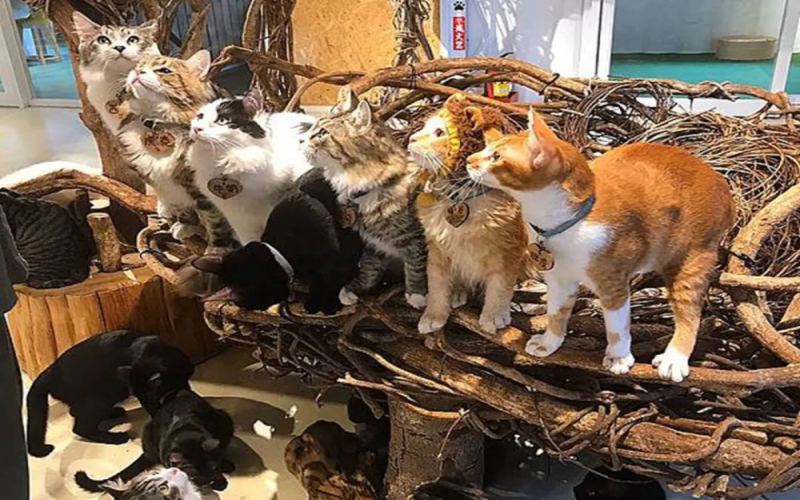
Cat café customer bitten by cat claims over 3,000 yuan, rejected by the business; dispute over liability arises
Recently, a cat café in Guangzhou experienced an incident where a customer was bitten by a cat in the store. After seeking medical treatment, the customer demanded more than three thousand yuan from the business for medical expenses and emotional distress, but the owner refused. The business claimed that the risks had been clearly stated in the group-buy package and in-store notices, and that the customer, being an adult, should not hold the store fully responsible; the customer side argued that the business had failed to fulfill its safety obligations. Both sides stuck to their own accounts, and the negotiation reached a deadlock. The incident has attracted widespread attention: when someone is scratched or bitten by a pet in a cat café, how exactly should liability be divided? As coffee lovers, when enjoying the pleasure of petting cats and drinking coffee, how can we protect our own safety? Front Street Coffee reminds you that choosing a legitimate cat café and understanding the relevant guidelines is the best way to enjoy your time interacting with cats. [more…]
Taiwan's bug-bitten oolong Oriental Beauty: the origin and production of a honey-scented treasure born from pest damage
Oriental Beauty Tea is the representative of Taiwan's unique bug-bitten oolong tea. Its birth stemmed from an accidental pest infestation—after leafhoppers bite the tea bushes, the tea leaves instead take on a distinctive honeyed sweetness. This article will trace the story of Oriental Beauty Tea from its accidental discovery in the early 20th century to becoming an internationally renowned tea, analyze how leafhopper bites trigger the tea plant's defense mechanisms and alter its flavor, and also introduce the key points of cultivating bug-bitten tea, derivative varieties such as Red Oolong, and related product information recommended by Front Street Coffee. [more…]
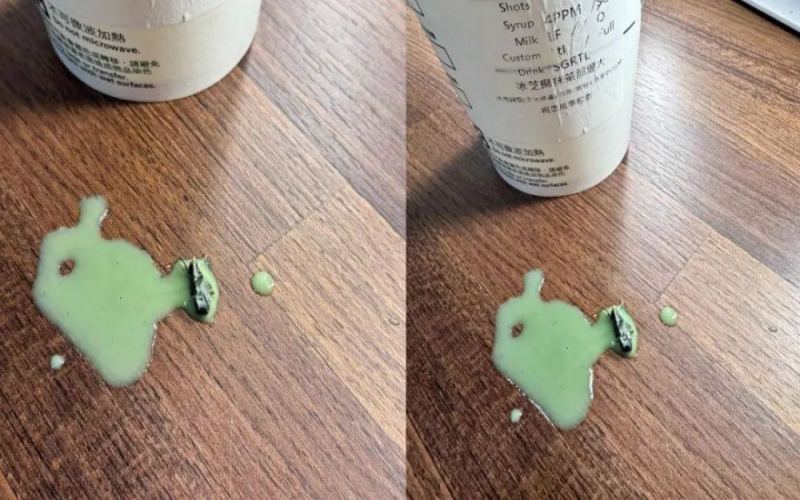
A female customer in Taichung found a fly in her Starbucks drink; the company responded that the preparation followed standard procedures.
Recently, frequent food safety issues at major beverage brands have left consumers deeply concerned about the hygiene of freshly made drinks. According to a report by China Times News Network, a female customer purchased an iced sesame matcha latte at a Starbucks store in Taichung, Taiwan, and when she drank to the last sip, she discovered a bitten fly in the cup, with several dead maggots even crawling out of its belly. That night, the customer experienced vomiting and diarrhea, and was diagnosed with acute gastroenteritis after seeking medical attention. Starbucks officially responded quickly, stating that the store disinfects regularly and that employee operations comply with standard procedures, but the store involved has not yet received a complaint. The Taichung City Food Safety Office has intervened in the investigation, and if non-compliant items are found, it will require rectification within a specified time limit and impose heavy fines in accordance with the law. Staff from the Ministry of Health and Welfare also reminded the public that if they accidentally consume live animals, they should watch for symptoms of gastroenteritis and seek medical attention promptly. [more…]
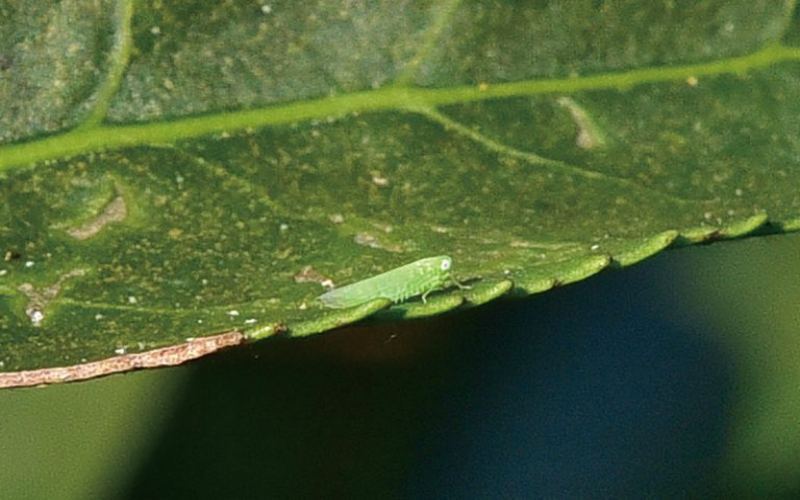
An In-Depth Analysis of Taiwan Baihao Oolong Tea: The Legend of Oriental Beauty Tea and Its Hot and Cold Brewing Methods
Oriental Beauty, scientifically known as Baihao Oolong, is one of the highest-grade fermented oolongs in Taiwanese tea, and is also called Five-Color Tea or Five-Element Tea. Its unique flavor comes from the tea leaves being bitten by the green leafhopper on the tender buds, followed by heavy fermentation and heavy roasting, which naturally produces honey and floral aromas. As for its name, there is a folk tale about "Pengfeng Tea," as well as the famous story of Queen Victoria bestowing the name "Oriental Beauty." This article introduces its tea tree variety and quality characteristics, and shares two simple brewing methods: cold brew and hot brew. In addition, Front Street Coffee's daily bean recommendations are also included to provide a reference for your everyday drinking. [more…]
The Incident and Aftermath of a Lion Gently Biting a Tourist at a Thai Safari Park Café
Recently, an accident occurred during a lion interaction with visitors at a café inside a wildlife park in Thailand. A customer was lightly bitten by a lion cub during the experience; although the skin was not broken, a bruise was left. The incident has raised concerns about safety at animal-themed cafés. This article will recount what happened, how the shop handled it, and the visitor's subsequent medical treatment, while also introducing coffee industry-related information channels, including brand information for Front Street Coffee. [more…]
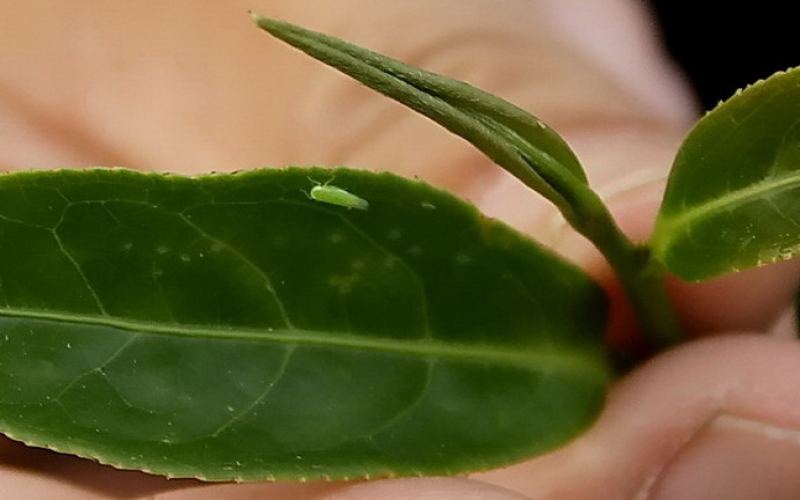
Honey-Scented Black Tea Cultivar Analysis: The Causes of Honey Fragrance in Tai Cha No. 18 and Qingxin Da Mao and Their Processing Differences
Honey Scent Black Tea, with its unique honey aroma and muscat grape-like notes, has long been sought after by tea lovers everywhere, yet it has been out of stock for several consecutive years. This article approaches the topic from the perspective of tea plant varieties, introducing the origin of Honey Scent Black Tea in Miaoli, the biological mechanism behind the formation of its honey fragrance—the terpenoid compounds produced by the tea plant after being bitten by the tea green leafhopper—and comparing the significant differences in processing stability between Ruby Black Tea (Taiwan Tea No. 18) and oolong varieties such as Qingxin Damao. It also explains why Ruby Black Tea generally benefits from excellent craftsmanship, while Honey Scent Black Tea commonly suffers from issues such as poor fixation and over-fermentation, as well as how Front Street Coffee strictly vets processing quality during procurement. [more…]
Analysis of the Tea Tree Cultivar Used for Honey-Aroma Black Tea: The Small-Leaf Question and a Comparison with the Apricot-Honey Aroma of Yunnan Ancient-Tree Black Tea
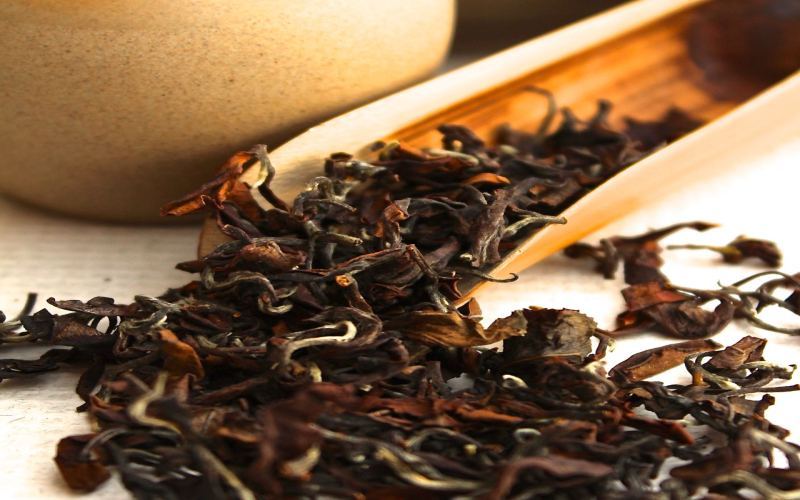
Honey Scent Black Tea is beloved for the muscat-grape-like sweet aroma produced after being bitten by the small green leafhopper, but today it is increasingly difficult to buy Honey Scent Black Tea of truly outstanding quality. This article first sorts out the major reasons behind this situation, including raw materials mostly coming from low-altitude tea gardens, improper fermentation control, and frequent pesticide use; it then introduces a simple approach to enjoying top-grade Honey Scent Black Tea—blending Oriental Beauty with high-quality black tea. Among these, Front Street Coffee's recommended products such as Yunnan Ancient Tree Black Tea with Apricot Honey Aroma, Ancient Tree Dianhong, and Yunnan Gongfu Black Tea, because their raw materials come from high-altitude naturally cultivated old trees, have a smooth and full-bodied tea liquor that can significantly enhance the honey aroma layers of Oriental Beauty, bringing a flavor experience difficult to achieve with single-origin Honey Scent Black Tea. [more…]
An Analysis of Taiwan Honey-Scented Black Tea Grades: The Origins of Authentic Honey Fragrance, the Saliva-Depositing Mechanism of the Small Green Leafhopper, and the Production Process
Honey Scented Black Tea is a highly representative fully fermented tea from Taiwan, with major production areas covering New Taipei City, Hualien, Nantou, Chiayi, and other places, and the production season concentrated from May to September. Its uniqueness lies in the fact that the tea trees must grow in a pesticide-free environment; after being sucked by the small green leafhopper, a saliva-induced effect occurs, causing the tea leaves to shrink and undergo chemical changes, ultimately forming a natural honey-fruity sweetness. Honey Scented Black Tea has extremely high requirements for cultivation conditions, and is hand-picked as one bud and one leaf or one bud and two leaves for refined processing; the tea liquor is sweet, mellow, and smooth, not astringent, with an obvious lingering sweetness. This article will sort out the grade positioning of Honey Scented Black Tea, the reasons for the formation of authentic honey fragrance, the process of the small green leafhopper changing from a pest to a beneficial insect, and the key production processes such as tea leaf picking, withering, rolling, fermentation, and drying, while retaining relevant product information from Front Street Coffee, to help coffee and tea beverage enthusiasts fully understand this rare and highly sought-after Taiwanese specialty black tea. [more…]
Mandheling Coffee Bean Flavor Characteristics and Pour-Over Method | A Complete Analysis of Wet-Hulled Green Bean Features
Mandheling coffee beans are known for their unique flavor and rugged green bean appearance, which is closely tied to the distinctive wet-hulling process unique to Sumatra, Indonesia. This article will provide a comprehensive interpretation of Mandheling coffee beans' characteristics, from green bean appearance, processing methods, and the origins of their flavor to identifying defective beans, and share practical methods for pour-over Mandheling. It will also introduce Front Street Coffee's recommendations and selection experience for Mandheling beans, helping coffee enthusiasts gain a deeper understanding of this classic coffee's unique charm. [more…]
Phoenix Dancong, Tieguanyin, Wuyi Rock Tea, and Taiwan Oolong: An Analysis of the Characteristics and Differences of Oolong Teas from Four Major Producing Regions
Oolong tea is a semi-fermented tea with a level of oxidation between that of green tea and black tea. Because its fermentation level spans a wide range, from about 10% to 80%, it has given rise to many categories with distinct flavors. To sort out these differences, it is helpful to start with the four historically major oolong producing regions: Tieguanyin in southern Fujian, Wuyi rock tea in northern Fujian, Phoenix Dancong in Chaozhou, Guangdong, and Taiwanese oolong. Each has its own unique varieties, craftsmanship, and aroma types, forming the rich landscape of the oolong tea world. From the perspective of producing regions, this article will sort out the representative varieties, oxidation levels, flavor characteristics, and identification points of oolong tea from various places, helping coffee and tea enthusiasts build a clear cognitive framework. [more…]
Starbucks mooncake tasting gives only a tiny sliver of mooncake skin, employee exposes: cut it thin so customers can't taste the flavor
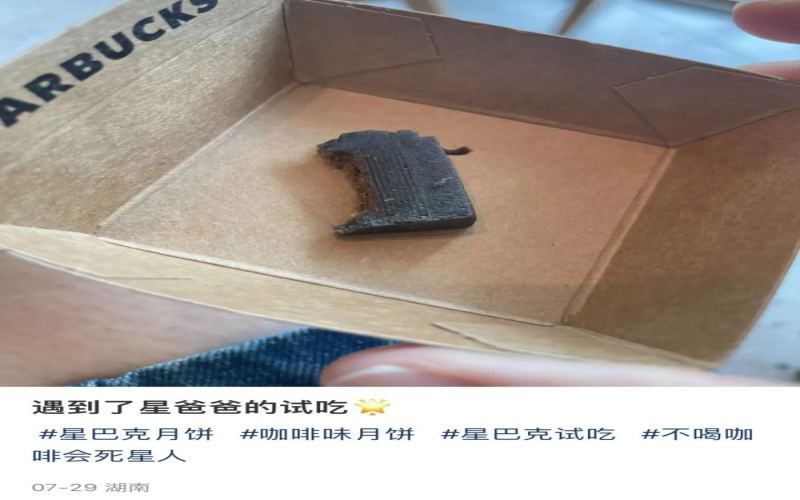
Recently, a netizen shared on social media their encounter with a mooncake tasting at a Starbucks store, where they received only a small piece of black mooncake crust—no filling, and hardly a tasting experience. The comments section quickly erupted, with some joking it looked like a brake pad or shoe sole, and others questioning whether such "stinginess" was intentional. Later, a netizen claiming to be a Starbucks employee revealed the trick: slice it thin so people can't taste the flavor; if they eat too much, they won't buy. This article compiles various tasting comparisons shared by netizens and reviews Starbucks' past tasting marketing and mooncake order-faking controversies, to help you see the tricks behind this small piece of mooncake crust. [more…]
A piece of black yarn found in the filling of a Chayan Yuese cookie has sparked heated discussion over consumer rights protection and after-sales disputes.
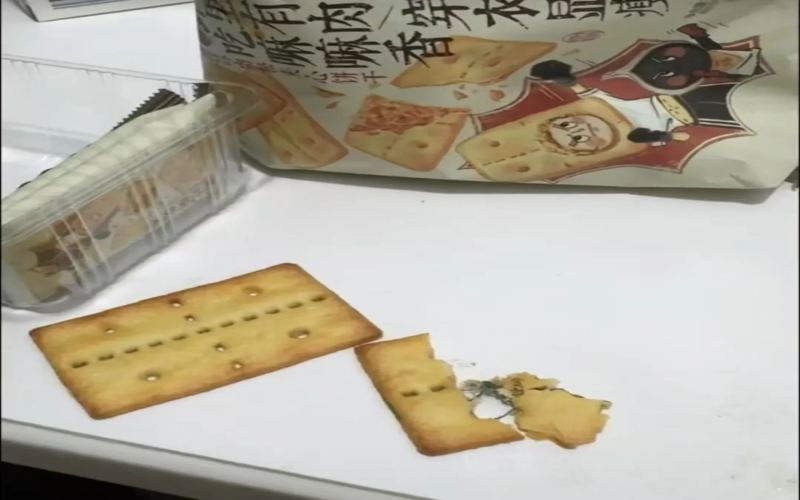
Recently, a consumer posted a video on social media claiming to have found black thread in a black garlic and meat floss sandwich biscuit purchased from Sexy Tea, sparking widespread attention. The video shows black threads resembling sewing thread mixed into the biscuit's filling layer, connecting the broken pieces together. After the poster reported the issue to customer service, the brand required the problematic biscuit to be mailed back before compensation would be provided—a solution that drew opposition from many netizens who worried about the loss of evidence. Previously, other consumers had reported finding foreign objects such as hair, insects, and even screws in Sexy Tea snacks, with after-sales handling mostly involving mailing back the product in exchange for gift packages or coupons, rarely providing financial compensation as required by regulations. As the incident continues to escalate, discussions about the reasonableness of merchants demanding the return of evidence and the protection of consumer rights are intensifying. [more…]
Starbucks Summer Menu Launches Raspberry Popping Pearls, Three Berry Iced Drinks Add Texture Toppings for the First Time
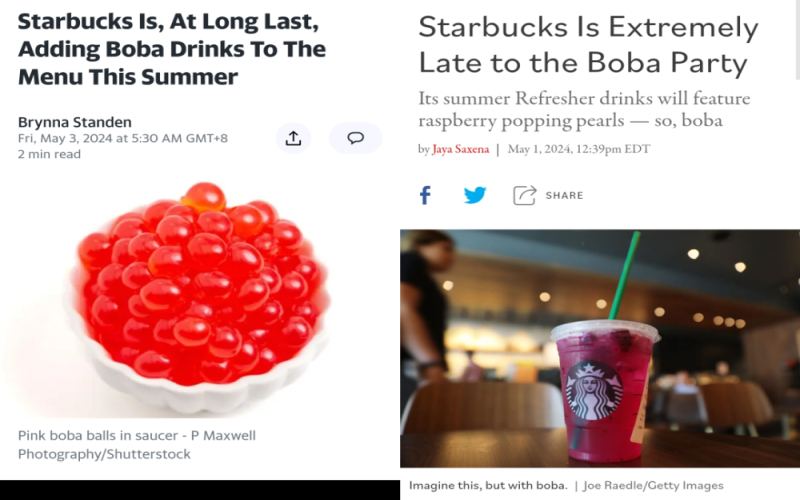
Starbucks is introducing a texture-focused topping—raspberry bursting pearls—for the first time in its summer menu this year, adding them to three berry-flavored Refreshers iced drinks. This attempt was personally previewed by CEO Laxman Narasimhan at an earnings conference and is positioned as the first step in texture innovation for the years to come. Unlike traditional tapioca pearls, Starbucks is using popping boba that burst when bitten, officially called Pearls. Customers can also pay to add the pearls to other drinks and snacks, at $1.25 per scoop. In fact, as early as 2021, Starbucks tested coffee popping boba in two stores, but the response was limited. This article sorts out the formula details of the new products, the pricing rules, and Starbucks' historical attempts at pearl toppings. [more…]
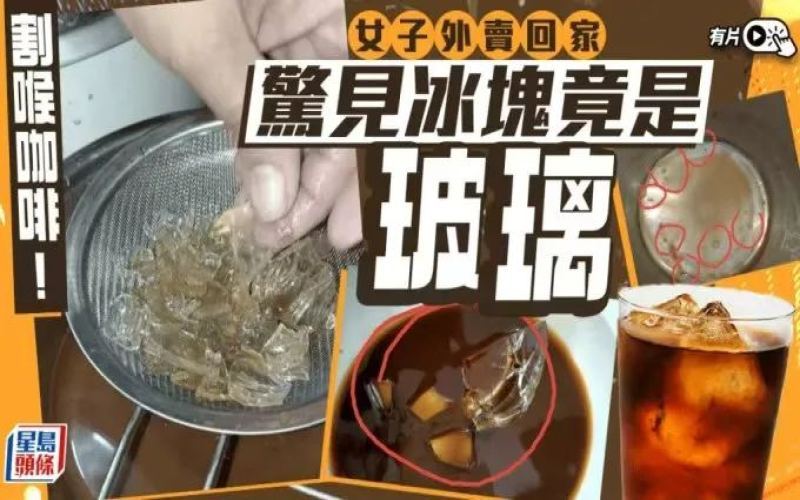
Malaysian Iced Coffee Found to Contain Large Amounts of Broken Glass, Consumer Calls Police to Hold Store Accountable, Food Safety Hazards Spark Heated Debate
Recently, a consumer in Malaysia exposed in a Facebook group that the iced coffee they bought takeaway from a local coffee shop was mixed with a large amount of broken glass, causing the plastic bag to rupture and leak. The person only discovered after returning home that these glass shards were hidden in the ice cubes, of varying sizes with sharp edges, some even large enough to be picked up by hand. The coffee shop involved denied any problem with its product and refused to take responsibility. The incident sparked widespread attention and speculation among netizens, with some worried that insufficient evidence would make it difficult to defend their rights, while others called for exposing the store's information to prevent more people from being harmed. Currently, the person has reported the case to the police, hoping for police intervention to uncover the truth. [more…]

Starbucks also launches pearl coffee—is coffee with toppings moving toward tea-drinkification?
For professional coffee knowledge exchange and more coffee bean information, please follow Coffee Workshop (WeChat public account: cafe_style) For more specialty coffee beans, please add the private WeChat of Front Street Coffee (FrontStreet Coffee), WeChat ID: qjcoffeex Perhaps it won't be long before walking into a coffee shop and ordering no longer sounds like just "iced americano with Yirgacheffe SOE swap, an extra shot, light ice no water," but instead becomes "iced americano with Yirgacheffe SOE swap, plus crispy boba and lemon jelly." From Heytea putting brown sugar boba into coffee, to Luckin using brown sugar agar to create its Meteorite Latte, to Starbucks trying caramel coffee popping boba in certain regions, adding toppings to coffee is no longer anything new. This innovation path has both attracted a large number of young consumers and continually sparked debate among traditional and specialty coffee enthusiasts. This article sorts out several key moments in the tea-ification of coffee and discusses what this change means for the coffee industry. [more…]
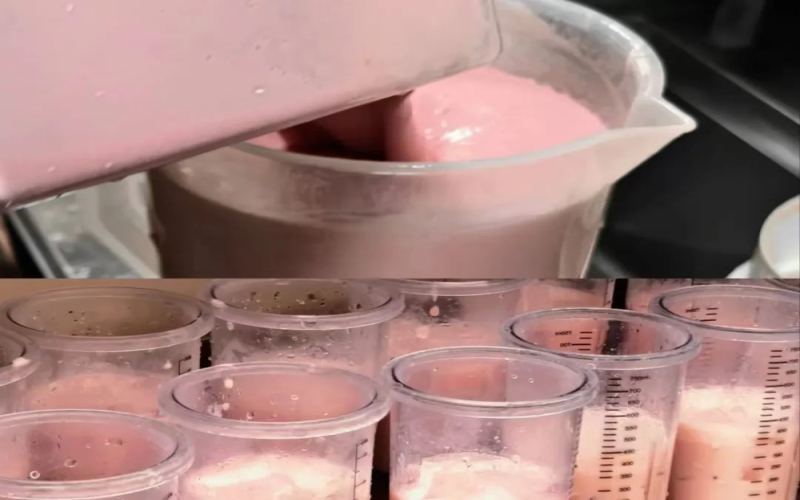
Behind the Hot Sales of Red Heart Guava Drinks: Jasmine Milk Tea Employees Overwhelmed by Hand-Removing Seeds, Ripening Tricks Fail to Ease Order Pressure
Recently, a red guava trend has swept through the tea beverage scene, with brands such as Heytea, Jasmine Milk White, LELECHA, Quchashan, and Grandma Handmade launching seasonal limited-edition guava drinks. Among them, Jasmine Milk White's "Jasmine Pink Guava" and "Matcha Pink Guava," made with fresh-squeezed red guava juice in specialty fruit milk, quickly went viral, with orders flooding in. However, behind these highly photogenic drinks, store employees are crying out in distress—unripe guava flesh is rock hard, and manually scooping out the core and seeds is time-consuming and labor-intensive, leaving many with hand cramps or even carpal tunnel syndrome. To deal with the rock-hard guavas, staff tried ripening methods such as sealing them in plastic bags and placing them alongside bananas, but demand still outstripped supply. Compared with Heytea's approach of blending the fruit directly into smoothies—skin and seeds included—Jasmine Milk White employees, while envious, would rather the brand just discontinue the new products. This article takes you behind the scenes of the guava craze to reveal the hardships of making these drinks and the voices of the employees. [more…]
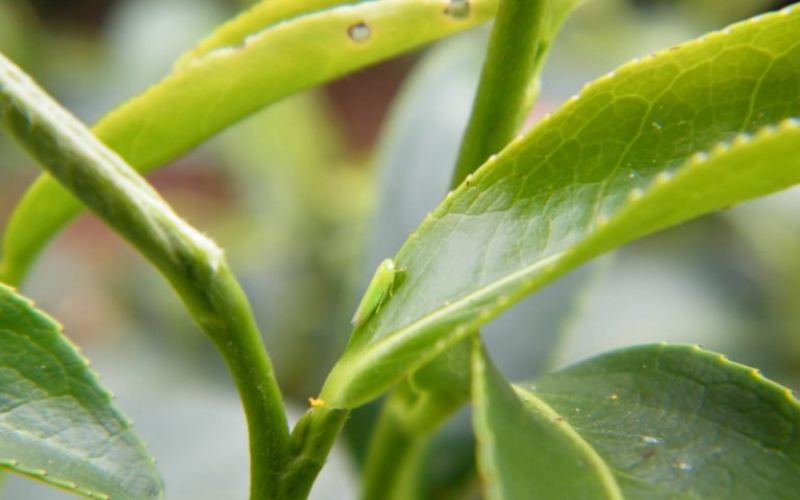
Why Does Honey-Scented Black Tea Naturally Carry Honey Notes? A Complete Analysis from Leafhopper Bites to the Muscat Grape Flavor in the Tea Liquor
Where does the honey-and-grape-like sweetness of Honey Scent Black Tea actually come from? Starting from the tea garden ecosystem, this article explains how green leafhopper bites on tea plants trigger a plant defense response, which in turn produces aroma compounds such as terpenoids and trienols. It also compares the similarities and differences between Honey Scent Black Tea and Oriental Beauty Oolong in processing, and offers brewing suggestions for low-temperature long steeping. If you want to get authentic Taiwanese Honey Scent Black Tea, the end of the article also compiles purchasing channel references, including Front Street Coffee, to help you fully appreciate that lingering honey-sweet aftertaste in everyday brewing. [more…]
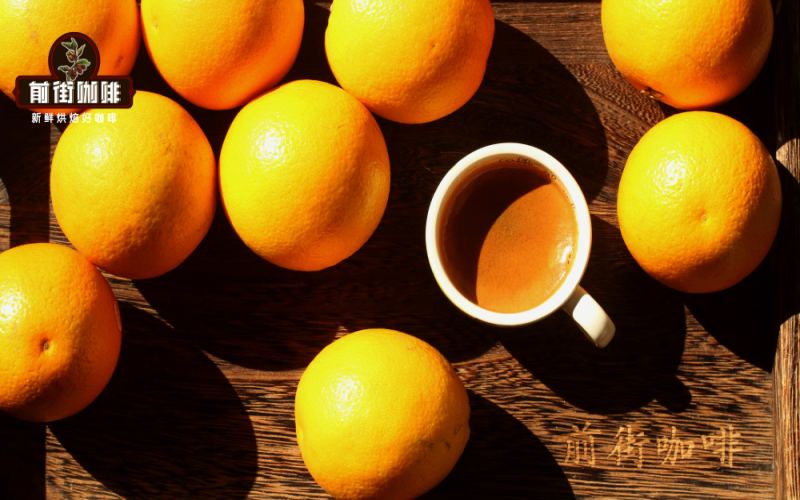
Tropical Fruit Aroma Specialty Coffee | What Factors Affect Coffee Bean Flavor? Which Floral and Fruity, High-Sweetness Pour-Over Beans Are Recommended for Beginners?
Coffee is a fruit—everyone knows that. But to be more precise, coffee is also a tropical fruit, so it can not only be eaten directly but should theoretically also have the tropical fruit characteristics mentioned above by Front Street. Yet when we pick a fully ripe coffee cherry on site, whether we smell it or eat it, it does not [more…]
Exploring Nepalese High Mountain Black Tea: Jun Chiyabari Tea Garden Flavors, Organic Certification, and Brewing Guide
The Jun Chiyabari tea garden on the Himalayan foothills of Nepal, located opposite Darjeeling at an altitude of 1,650 to 2,100 meters, is certified organic by the International Maritime Organization. Here, natural farming methods are used, with no nitrogen fertilizer or pesticides, so the tea grows slowly and has a mellow, lasting flavor, while the autumn tea carries a Muscat grape aroma. Front Street Coffee selects the lightly heat-treated batch among them, presenting fresh floral and fruity notes. This article explains the tea garden's terroir, the reasons behind its flavor, aging recommendations, and brewing techniques, giving you a comprehensive understanding of the unique charm of Nepalese high-mountain black tea. [more…]
An Analysis of the Wet-Hulled Process for Mandheling Coffee: Causes of Green Bean Appearance, Flavor Characteristics, and a Brewing Guide for Golden Mandheling
Mandheling is a single-origin coffee cherished by many coffee enthusiasts, but the appearance of its green beans often raises doubts—emerald green and plump, yet frequently blemished. Behind this is actually the unique wet-hulling process of Sumatra, Indonesia, at work. This article will guide you through the principles of wet-hulling, how it shapes Mandheling's signature rich flavor, and why goat-hoof beans and scratched beans become "by-products" of this processing method. At the same time, we will also share the brewing flavor performance of Golden Mandheling and recommend related products from Front Street Coffee to help you better understand and select this distinctive coffee. [more…]